Digital demand infrastructure for home improvement businesses.
WebWolf runs the website, local search presence, conversion systems, and measurement that help the right homeowners find you, become qualified opportunities, and move into your sales pipeline.
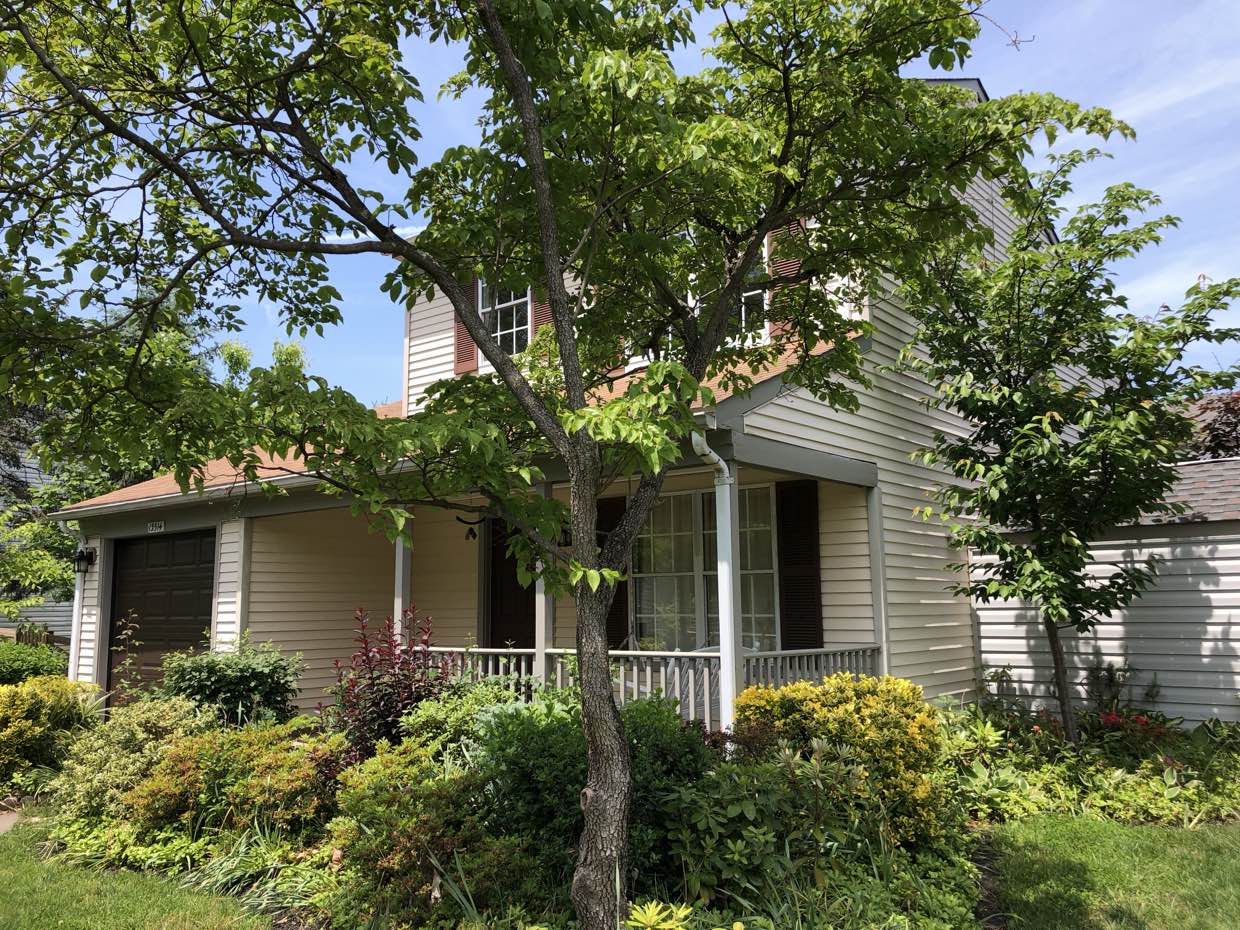
Residential elevation - the property a homeowner evaluates from the street
IIThe business funnel02 / 07
Not every inquiry is an opportunity. We measure the difference.
Demand — WebWolf operates
01
Discovery
A homeowner with a real need finds your business through local search, Google Business Profile, or another managed web property.
02
Inquiry
They call, submit a form, or otherwise contact the business. The inquiry enters the system, but it is not yet a qualified opportunity.
03
Qualified opportunity
The inquiry matches an offered service, eligible service area, agreed commercial criteria, and genuine customer intent. This is the point where inbound demand becomes commercially meaningful.
Appointment lifecycle — you sell, we measure
04
Set
A sales appointment is scheduled for the opportunity.
05
Confirmed
The homeowner is contacted, the appointment is verified, and the prospect confirms it will run.
06
Issued
The confirmed appointment is assigned to a salesperson who is expected to run it.
07
Demo
The salesperson completes the in-home consultation. The outcome is recorded as sold or demo-not-sold.
08
Sold
The homeowner buys. Where the data supports it, closed revenue is tied back to the web source that generated the opportunity.
We operate and measure the web infrastructure feeding this funnel.
IIIOperating systems03 / 07
Three systems drive results. Infrastructure keeps them running.
i
Generate
Demand
We improve how the business is found for the right services, in the right places across local search, Google Business Profile, reviews, service relevance, geographic relevance, and the main website.
The objective is qualified local demand, not more traffic for its own sake.
We continuously improve the pages, offers, calls, forms, testimonials, completed-project imagery, service pages, and landing experiences that turn interested homeowners into sales opportunities.
Promotions, testimonials, project photos, and routine website changes are part of operating the conversion system, not a separate pile of website edits.
Underneath all three systems, WebWolf keeps the web infrastructure reliable, measurable, and ready to convert demand.
Site record 02Asphalt shingle course — material conditionSite record 03Roof edge at planting line — same survey
IVDemand intelligence04 / 07
Can we show what the website helped produce?
Web activity is connected to the CRM and followed through the sales funnel to closed revenue where the available data permits. Traffic, rankings, and visibility remain useful diagnostic signals.
They are not the primary measure of performance.
The primary question is:
Did the web system produce qualified opportunities and business?
How Demand Is Tracked
Web / GBP / microsites→InquiriesCalls, forms, and other conversion events are captured from WebWolf-managed digital touchpoints.
Inquiries→CRMThe inquiry is written into LeadPerfection, Salesforce, ServiceTitan, or the client's equivalent system of record.
CRM→Qualified opportunitiesEach inquiry is evaluated against the agreed service, service area, commercial criteria, and customer intent.
Qualified opportunities→SetA sales appointment is scheduled against the opportunity.
Set→ConfirmedThe homeowner is contacted and the appointment is verified and confirmed.
Confirmed→IssuedThe appointment is assigned to a salesperson.
Issued→DemoThe in-home consultation is completed. An issued appointment that does not run is not counted as a completed demo.
Demo→Sold / demo, not soldBoth outcomes are recorded. A demo-not-sold is a completed consultation that did not result in a purchase.
Sold→Attributed revenueClosed revenue is attributed only where the available source data supports the connection. Unknown attribution remains unknown.
Demand scorecard
Illustrative — sample structure, not client results
247
Qualified opportunities
Count · one managed market · one quarter
60.0%
Qualification rate
247 qualified ÷ 412 inquiries
68.0%
Set rate
168 set ÷ 247 qualified
76.8%
Demo rate
129 demos ÷ 168 set
29.5%
Close rate
38 sold ÷ 129 demos
$4,223
Revenue per qualified opportunity
$1.04M attributed sold revenue ÷ 247 qualified
Confirmation rate (149 confirmed ÷ 168 set) and issue rate (141 issued ÷ 149 confirmed) are carried in the full scorecard. Of 129 demos, 38 sold and 91 were demo, not sold. Revenue is also cut by source, service and market. Traffic and rankings are retained as diagnostic data only.
Reporting cadence
Every operating day
What happened yesterday, and whether anything abnormal occurred.
Inquiry volume, capture failures, tracking gaps and outages. Its purpose is to catch a broken form or a dropped listing within a day rather than at month end.
Weekly
What is changing, and what WebWolf should act on.
Demand quality, qualification movement and conversion behaviour, read against the prior period. This is where the next operating action is chosen.
Monthly
What the infrastructure produced, and what WebWolf operated.
Commercial outcomes through the funnel to attributed revenue, alongside the record of what was changed, what was learned, and what is recommended next.
Quarterly
Where the next investment should go.
Market performance by service and geography, and the expansion question: whether demand justifies an independent property, or whether investment belongs on the main site.
VMarket expansion05 / 07
New digital properties must earn the right to exist.
New content belongs on the main website by default.
WebWolf recommends a separate web property only when it serves a distinct opportunity that the main site cannot serve effectively, and when that property's commercial performance can be measured.
Main site — Default
—Existing authority and measurement already in place
—Lower operating cost per unit of demand
—Fewer properties to maintain.
—Attribution remains concentrated rather than fragmented.
Independent property — must be justified
Distinct demand the main site cannot serve
There is a commercially meaningful audience, service, geography, or customer need that warrants separate treatment.
Independent commercial value, not keyword coverage
The property provides something more substantial than coverage of another keyword.
Enough substance to stand on its own
The property can support a genuine customer experience rather than a thin collection of search pages.
A measurable conversion event
Calls, estimates, consultations, bookings, or another meaningful business outcome can be tracked.
Defined success and stop criteria
Before investment begins, we establish what success looks like and when the property should be expanded, maintained, merged, or retired.
WebWolf does not build microsites merely to target another keyword. A separate property has to justify the additional investment and operating complexity.
Plate IIMarket expansion decision map — operating model diagram, illustrative
VIThe managed market06 / 07
The operating unit is a market, not a website.
WebWolf does not sell a disconnected list of monthly website and SEO tasks.
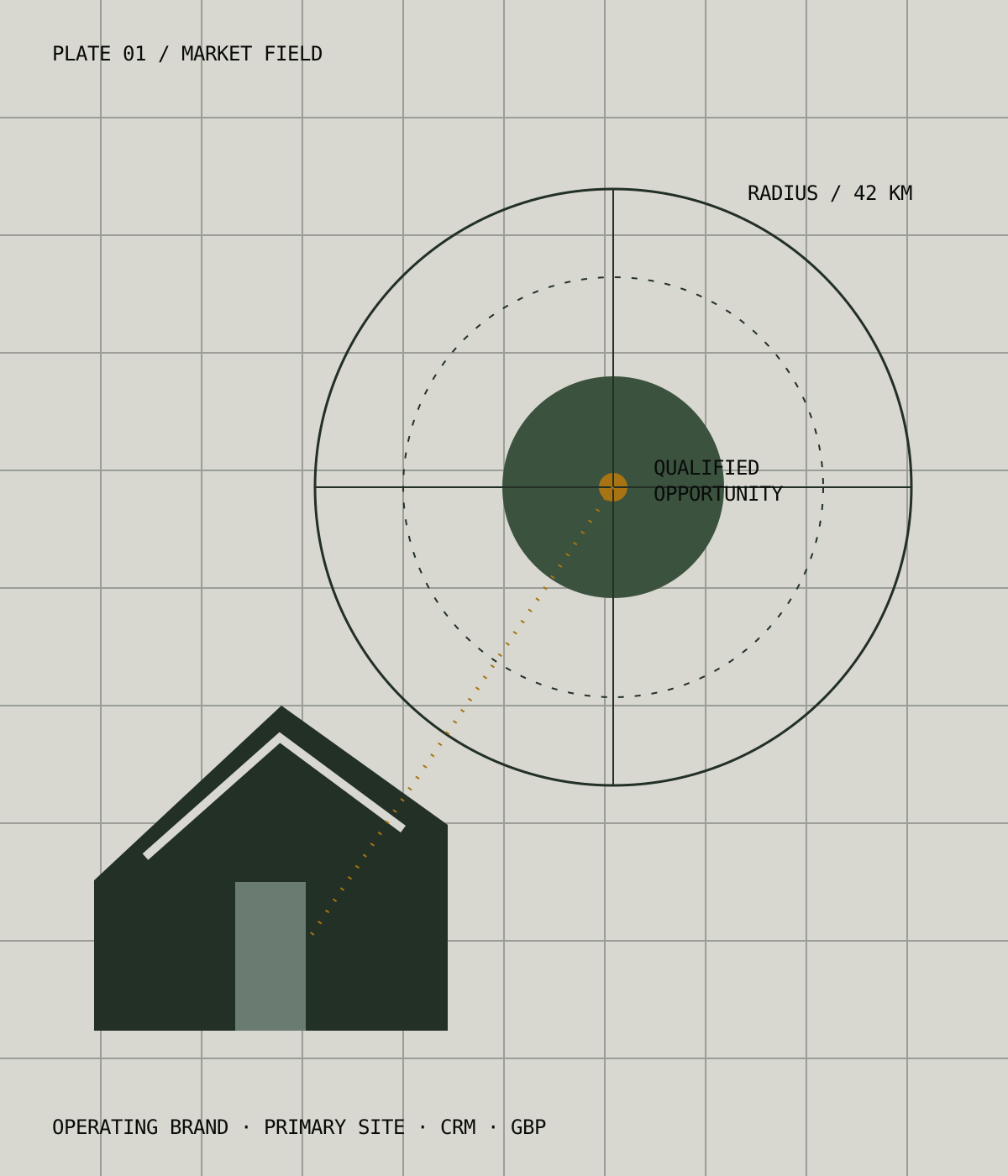
Each engagement covers a defined market: the business, website, CRM, local presence, service area, and priority services that WebWolf is responsible for operating together.
01One operating brand
02One primary website
03One CRM and sales pipeline
04One principal operating location and Google Business Profile
05One geographically coherent market
06An agreed Priority Service Portfolio
07Ongoing demand, conversion, intelligence and infrastructure operations
Plate IIIManaged market field map — operating model diagram, illustrative
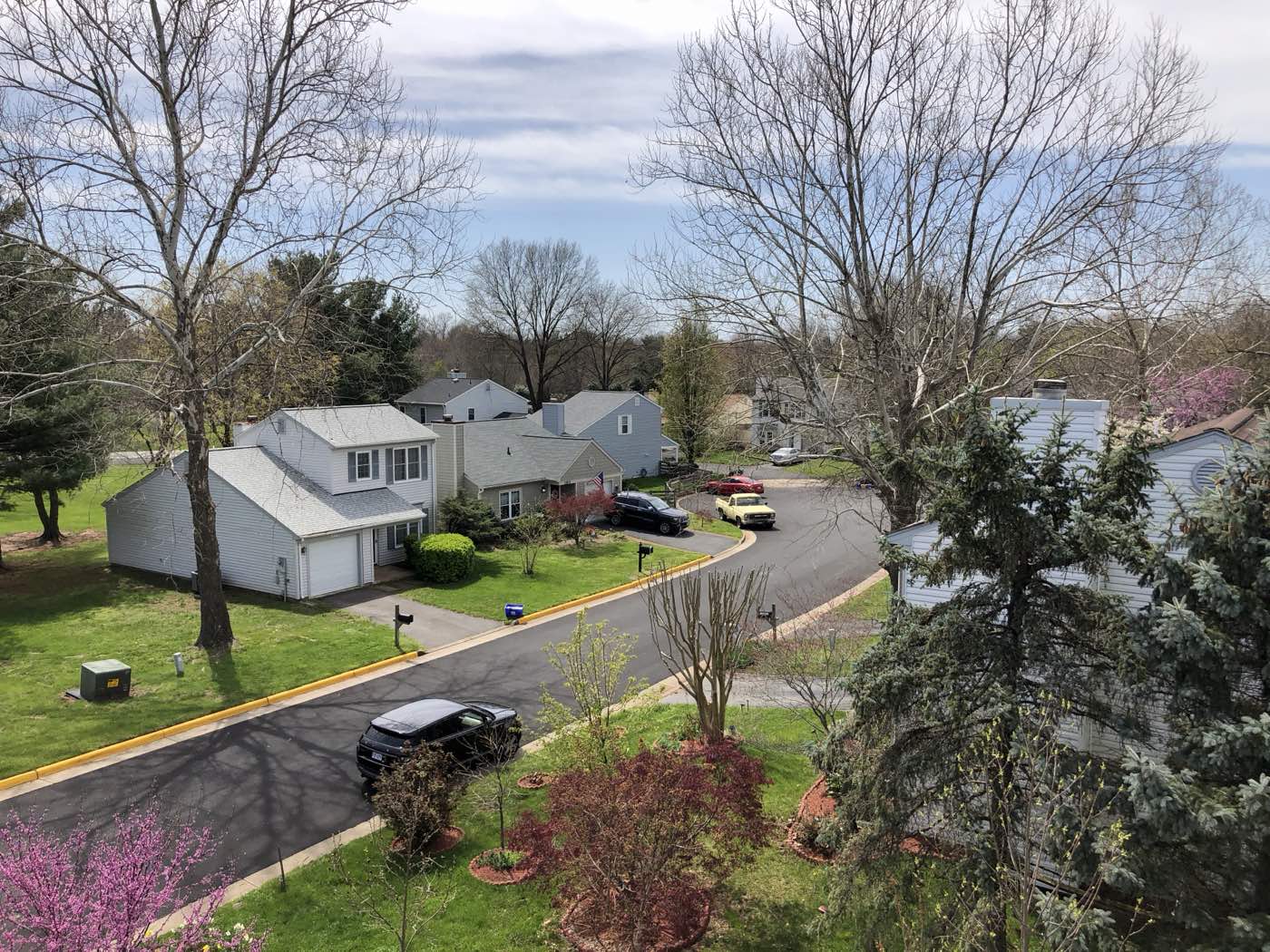
Site record 04One geographically coherent market — the territory the diagram describes
Definition · Qualified Opportunity
A Qualified Opportunity is a unique inbound prospective customer from a WebWolf-managed digital touchpoint who:
—is seeking a service the client actually provides;
—is within an eligible service area;
—meets the agreed minimum commercial criteria; and
—shows enough genuine intent to justify sales follow-up.
Spam, duplicates, unsupported services, out-of-area inquiries, and other agreed exclusions do not count as Qualified Opportunities.
VIIWeb Operations Assessment07 / 07
Assess your demand infrastructure.
The Assessment establishes whether there is a demand, conversion, attribution or market-expansion problem worth operating — and whether WebWolf is the right operator for it.